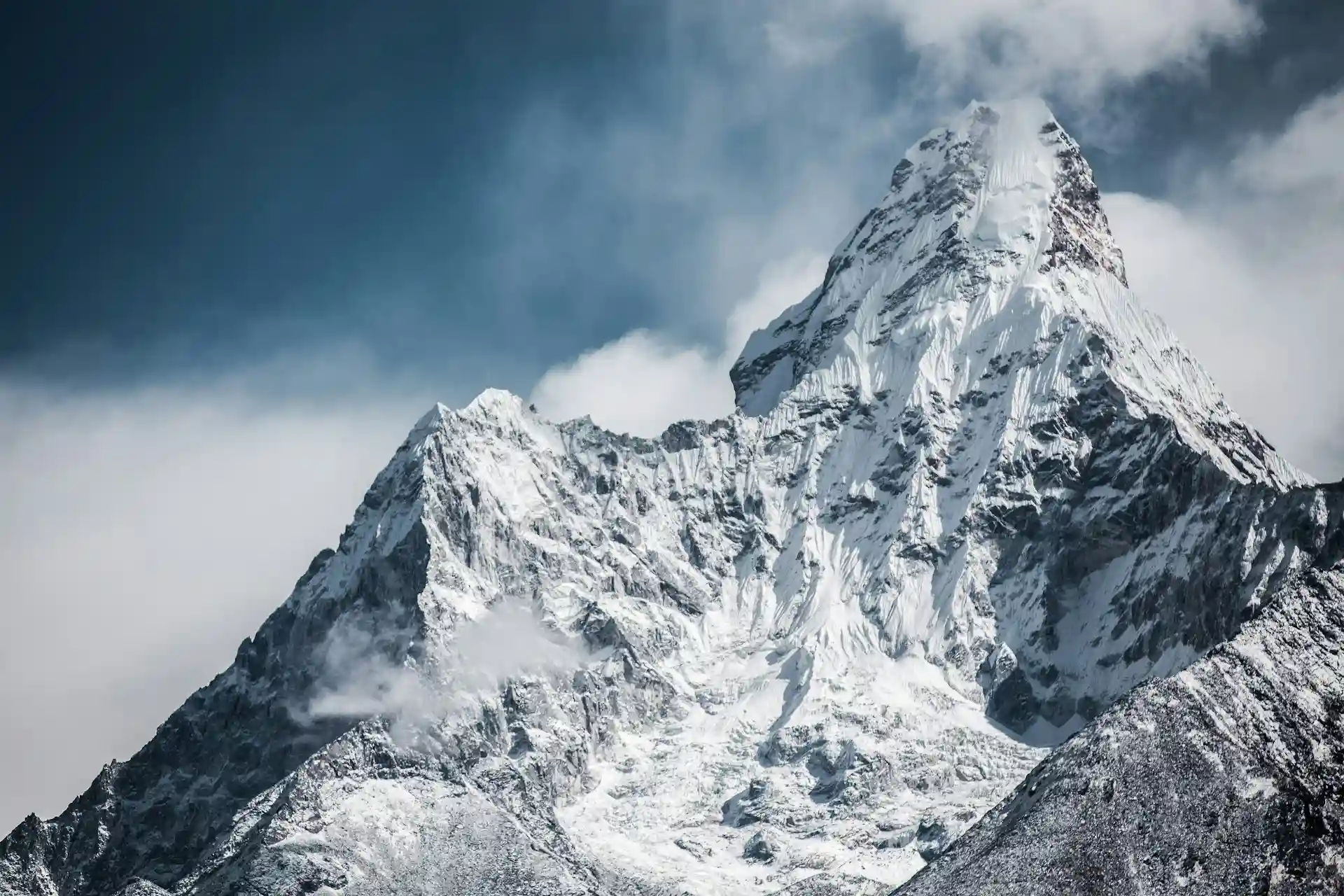
Height and elevation of the Everest Base Camp trek are very important things to understand for first-time trekkers before planning the journey. The trek begins from Lukla at 2,860 meters and gradually takes you up to Everest Base Camp at 5,364 meters above sea level. In total, you will walk around 130 kilometers for the round trip, which means about 65 kilometers one way. The trek usually takes 10 to 16 days or more as per your need, giving enough time to walk slowly, rest, and enjoy the surroundings. On most days, trekkers cover around 8 to 15 kilometers depending on the route and their pace.
Because of the increasing altitude, the trek is done slowly with proper acclimatization. Rest days at Namche Bazaar and Dingboche are very important to help your body adjust to the thinner air. Along the way, the trail passes through Sherpa villages, monasteries, and forests, and the scenery changes as you go higher into rocky and snowy landscapes. Many trekkers also hike up to Kala Patthar (5,545 meters) for one of the best views of Mount Everest. The high altitude makes the trek challenging, but with good preparation and a steady pace, it becomes a very rewarding experience.
Everest Base Camp is located at an altitude of 5,364 meters (17,598 feet) above sea level on the south side of Mount Everest. This is already a very high place, and the air here has much less oxygen compared to lower areas. For many trekkers, just reaching Everest Base Camp feels like a big achievement. To give a simple idea, this height is even higher than the base camps of well-known mountains like Mont Blanc and Mount Kilimanjaro. So, even standing at base camp is a special experience for first-time trekkers.
However, many people do not realize that Everest Base Camp is not the highest point of the trek. Most trekking plans include a hike to Kala Patthar, which is about 5,645 meters (18,519 feet). This is actually higher than base camp and is the best place to see Mount Everest clearly. From Everest Base Camp, the mountain is not fully visible because it is surrounded by glaciers and rocks. That is why trekkers wake up early and hike to Kala Patthar for sunrise views. So, the true highest point of the Everest Base Camp trek is Kala Patthar, not the base camp itself.
The elevation gain on the Everest Base Camp trek is not just the difference between where you start and where you finish. It means all the uphill climbing you do during the journey, even if you go down and then climb again later. From Lukla to Everest Base Camp, the net gain looks like around 2,500 meters, but in reality, you gain much more than that. Over the full trek, including acclimatization hikes, the total elevation gain is around 2, 504 meters. This happens because the trail goes up and down many times. On most days, you will climb between 400 and 800 meters, depending on the route and terrain.
Some sections of the trek feel harder than expected. The climb from Phakding to Namche Bazaar is one of the first big challenges, with a steep uphill section that reaches 3,440 meters. From Namche to Tengboche, the climb is steady, and you start to feel the thinner air, with views of Ama Dablam along the way. The trail from Dingboche to Lobuche brings you close to 5,000 meters, where walking becomes slower and more tiring. Finally, the last stretch from Lobuche to Gorak Shep and then to base camp may seem short, but at that altitude, even small climbs feel very difficult.
Trekking to Everest Base Camp is an incredible experience, but the high altitude can be challenging for first-time trekkers. The air is thinner, oxygen is lower, and your body needs time to adjust. Following simple rules can make your journey safer, healthier, and more enjoyable. These golden rules are built into every trek to help you reach base camp comfortably and avoid altitude sickness.
Above 3,000 meters, it is important not to increase altitude by more than 300 to 500 meters per day. This allows your blood and body chemistry to adjust gradually to thinner air. Taking it slow reduces the risk of altitude sickness and helps your body adapt safely while still making steady progress on the trek.
Hiking to a higher elevation in the afternoon and returning to a lower altitude to sleep helps your body acclimatize. For example, you may visit the Everest View Hotel at 3,880 meters and return to Namche Bazaar at 3,440 meters. This method stimulates red blood cell production while letting your body rest overnight, improving endurance.
The Khumbu region is very dry, and breathing at high altitudes increases water loss. You should drink at least 3 to 4 liters of water daily. Clear urine is a good sign of proper hydration. Drinking enough water keeps your body functioning well, prevents dehydration, and reduces headaches or fatigue during long days of trekking.
Mild headaches or tiredness are normal, but severe headaches, nausea, dizziness, or poor coordination are warning signs of altitude sickness. If these occur, it is important to stop ascending and rest. Ignoring your body’s signals can be dangerous, so always prioritize safety over trying to reach the next stop quickly.
The Everest Base Camp trek is not a race. Walking slowly, especially in the first few days, helps your heart rate stay steady and prevents overexertion. Trekkers who pace themselves gradually usually feel better at higher altitudes. Taking short breaks, walking at your own speed, and listening to your body ensures a safer and more enjoyable trek.
Trekking to Everest Base Camp is an incredible experience, but high altitude brings certain risks that every trekker should know. At 5,364 meters, oxygen is lower, and the body needs time to adjust. If precautions aren’t taken, altitude can cause problems from mild discomfort to serious health conditions. Understanding these risks makes the trek safer and more enjoyable:
AMS occurs when the body cannot adjust quickly to high altitude. It is common above 3,000 meters and can cause headache, dizziness, nausea, fatigue, and loss of appetite. If untreated, it can develop into more severe conditions like High Altitude Pulmonary Edema (HAPE) or High Altitude Cerebral Edema (HACE), you can find the details below. Gradual ascent and proper rest help prevent AMS.
HAPE is a serious condition where fluid collects in the lungs due to low oxygen pressure. Symptoms include shortness of breath, chest tightness, and coughing. It usually occurs above 3,500 meters and can escalate rapidly. Immediate descent and medical attention are crucial, as untreated HAPE can be fatal.
HACE is rare but life-threatening, caused by fluid buildup in the brain. Symptoms include severe headache, confusion, poor coordination, and difficulty walking straight. It typically occurs above 4,000 meters. Immediate descent and medical care are necessary, as untreated HACE can lead to coma or death.
High-altitude air is dry, and faster breathing increases water loss. Cold weather often suppresses thirst, causing trekkers to drink less. Signs include dark urine, headaches, and fatigue. Staying hydrated with 3 to 4 liters of water per day and avoiding alcohol or caffeine helps prevent dehydration and supports overall health.
Hypothermia happens when the body loses heat faster than it can produce it. Cold temperatures, especially at night, increase this risk at high altitudes. Symptoms include shivering, weakness, and slow movements. Proper clothing, warm layers, and staying dry are essential to avoid dangerous drops in body temperature.
Trekking long hours at high altitude can lead to extreme fatigue. Low oxygen, challenging terrain, and heavy backpacks all contribute to exhaustion. If ignored, it can make walking difficult and increase the risk of accidents. Taking breaks, pacing yourself, and listening to your body are key to managing energy levels.
Frostbite occurs when skin and tissue freeze due to prolonged exposure to cold. Fingers, toes, nose, and ears are most vulnerable at Everest Base Camp altitude. Early signs include numbness, pale or discolored skin, and tingling. Severe frostbite can cause permanent damage, so insulated clothing and proper gloves are essential.
Sleeping at high altitudes can be difficult due to lower oxygen levels. Many trekkers experience restless nights, frequent waking, or light sleep. This can increase fatigue and irritability, affecting trekking performance. Proper acclimatization, rest days, and, if needed, mild sleeping aids under medical guidance can help improve sleep quality.
Trekking to Everest Base Camp is exciting, but the high altitude can be challenging for first-time trekkers. The air has less oxygen, and your body needs time to adjust. Proper preparation helps reduce fatigue, prevent altitude sickness, and makes the journey more enjoyable. Here are some simple tips to get ready for high-altitude trekking:
Good physical fitness reduces fatigue and makes trekking easier at high altitudes. Aerobic exercises like running, hiking, or cycling help strengthen your lungs and heart. Preparing your body before the trek improves stamina, making it easier to handle long days of walking and the low oxygen levels encountered on the Everest Base Camp trek.
Taking time to acclimatize is key to preventing altitude sickness. Itineraries with rest days at places like Namche Bazaar and Dingboche allow your body to adjust to thinner air. Gradual ascent reduces risks of AMS, HAPE, or HACE and helps you stay healthy throughout the trek.
Drinking enough water is vital at high altitude. Dehydration worsens symptoms like headaches, fatigue, and nausea. Aim for 3 to 4 liters daily to keep your body functioning well and to help it adapt to lower oxygen levels. Proper hydration also supports overall health during the long days of trekking to Everest Base Camp.
Knowing the early signs of Acute Mountain Sickness helps prevent serious illness. Watch for headaches, nausea, dizziness, or confusion. Recognizing symptoms early allows immediate action, such as resting or descending slightly, which can prevent AMS from turning into dangerous conditions like HAPE or HACE.
High altitudes have freezing temperatures, especially at night. Carry warm, insulated clothing, layered outfits, and a sub-zero sleeping bag. Proper gear protects against hypothermia and keeps you comfortable during the trek, ensuring you can rest and recover well at high altitudes.
Walking at a steady pace and taking frequent breaks is essential. Low oxygen and long trekking days can quickly lead to exhaustion. Overexertion increases the risk of altitude sickness, so pacing yourself helps maintain energy, keeps your heart rate steady, and allows for safe progress toward Everest Base Camp.
Medicines like Diamox (acetazolamide) can ease AMS symptoms but must be used under a doctor’s guidance. These medications are not a replacement for proper acclimatization but can be helpful in emergencies. Always consult a physician before the trek to understand how and when to use them safely.
Everest Chopper is a trusted company offering helicopter tours to Everest Base Camp and surrounding high-altitude locations. For first-time trekkers, it provides a safe, fast, and convenient way to experience the altitude and stunning Himalayan scenery.
Reach Everest Base Camp Easily: Everest Chopper allows travelers to reach EBC without the long, tiring trek, providing a high-altitude experience in a few hours.
Safe and Reliable: The company operates skilled pilots experienced in high-altitude flying, ensuring a secure and comfortable journey above challenging Himalayan terrain.
Flexible Tour Packages: Everest Chopper offers half-day, full-day, and customized tours to suit different schedules and preferences.
Emergency Assistance Ready: Helicopters are equipped for rapid evacuation in case of altitude sickness or other emergencies, ensuring traveler safety.
The Everest Base Camp trek is a once-in-a-lifetime adventure that takes you close to the world’s highest mountain. With a starting point at Lukla and a final destination at 5,364 meters, the trek offers stunning views, cultural experiences, and the thrill of high-altitude trekking. First-time trekkers should take their time, follow proper acclimatization, and listen to their bodies to enjoy the journey safely. Visiting places like Namche Bazaar, Dingboche, and Kala Patthar adds variety and unforgettable experiences to the trek.
For those who want to experience Everest Base Camp height without the long trek, Everest Chopper provides a safe and convenient alternative. It allows you to see Everest, Lhotse, and Ama Dablam from the air, saving time and energy while still giving the high-altitude experience. Whether you trek on foot or take a helicopter, careful preparation, awareness of altitude risks, and following simple safety rules will make your Everest adventure memorable and enjoyable.
Yes, a beginner can do the trek to Everest Base Camp. You do not need climbing skills, but basic fitness is important. If you can walk for several hours a day and stay consistent, you can complete it. The key is to go slowly, take rest days, and follow a proper itinerary for acclimatization.
The 2pm rule means you should reach your destination before 2pm each day during the trek. Weather in the mountains can change quickly in the afternoon, with stronger winds and clouds. Starting early in the morning and finishing early helps you stay safe, comfortable, and avoids walking in poor conditions.
Altitude sickness is common but usually mild for most trekkers. You may feel headache, tiredness, or slight dizziness as you go higher. However, serious cases are rare if you follow acclimatization properly. Drinking water, walking slowly, and resting at places like Namche Bazaar help reduce the risk.
K2 is much harder than Mount Everest in terms of climbing. K2 has steeper slopes and more dangerous conditions. However, this comparison is about climbing peaks. The Everest Base Camp trek is just a hike and is much easier than climbing either mountain.
Start preparing at least 6 to 8 weeks before your trek. Focus on walking, light hiking, and cardio exercises like running or cycling. Try to walk uphill and carry a small backpack. Build your stamina slowly. You do not need extreme fitness, but being active and consistent will make the trek easier and more enjoyable.
